Best Skincare Ingredients for Indian Skin
⏱ 11 min read

When it comes to skincare ingredients, Indian skin has its own unique set of needs think humidity, pollution, pigmentation, and that stubborn post-acne mark that refuses to fade.
I’ve tried countless products over the years from drugstore finds to K-beauty gems but what truly made a difference wasn’t the brand, it was the ingredients.
At 24, I’ve realized skincare isn’t about following trends it’s about understanding what your skin actually loves and what it absolutely doesn’t.
Understanding Indian Skin Types
Indian skin is beautifully diverse ranging from fair to deep tones, and often leaning towards combination or oily. Our skin also has higher melanin levels, which means we’re more prone to tanning, pigmentation, and uneven tone.
That’s why knowing which skincare ingredients work best can change your entire routine. Ingredients that may work for someone abroad might not always suit our climate or skin behaviour.
For example, I used to love using thick, creamy moisturizers inspired by Western influencers until I realized they made me break out in the Mumbai humidity.
Why the Right Skincare Ingredients Matter
It’s not about using 10 steps it’s about using the right ingredients. Think of your skincare routine like cooking the right recipe can’t work with the wrong ingredients.
Good skincare ingredients target real issues acne, dullness, pigmentation, or hydration without harming your natural barrier.
Over time, understanding what works for your Indian skin type helps you invest smarter, not more.
Best Skincare Ingredients for Indian Skin
Let’s get into the real deal the skincare ingredients that can truly make your skin glow, balance oil, and even fade pigmentation.
1. Glycolic Acid – My Holy Grail for Acne & Glow
If there’s one skincare ingredient that truly changed my skin, it’s glycolic acid.
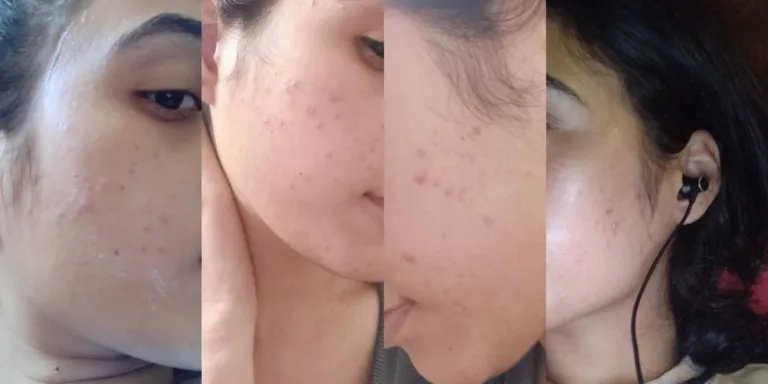
When I was struggling with acne especially those tiny, stubborn bumps that never seemed to go away glycolic acid helped me more than anything else. Within a few weeks, I noticed my skin felt smoother, looked brighter, and those small breakouts started reducing.
It’s an AHA (alpha hydroxy acid) that gently exfoliates the skin’s surface, unclogs pores, and fades acne marks over time. What I love most is that it gives results without feeling harsh or drying.
- Best for: Dull, pigmented, or acne-prone skin
- How to use: 2–3 times a week in toner or serum form
- Pro tip: Always follow with sunscreen during the day
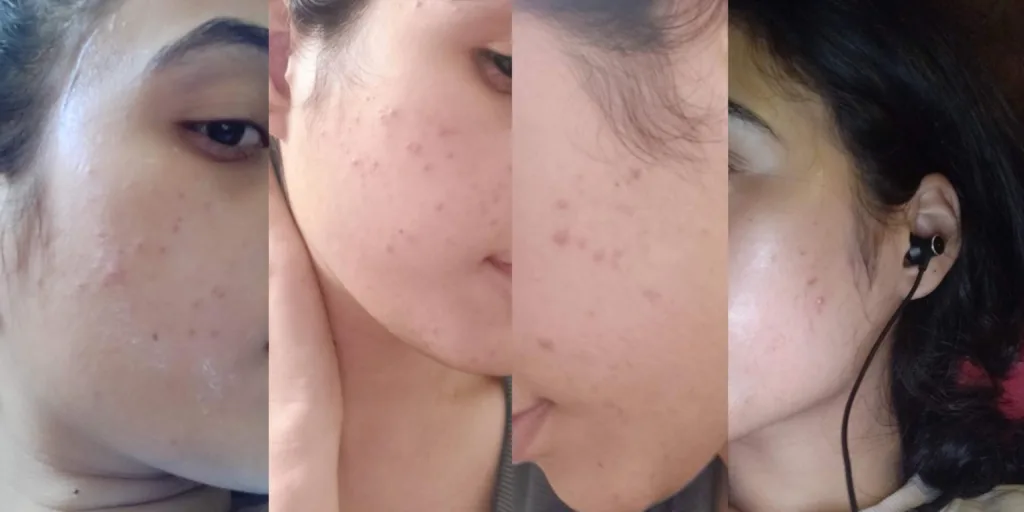
If Interested: My Acne Journey
2. Salicylic Acid – Good, But Didn’t Work Wonders for Me
When I first started getting breakouts, I turned to salicylic acid it’s a BHA (beta hydroxy acid) known for going deep into pores and clearing excess oil.
Honestly, salicylic acid didn’t give me the same effect. Glycolic acid just worked better for my skin type maybe because my acne was more surface-level and related to clogged pores rather than deep cystic ones.
My favorite use of salicylic acid has actually been for my body. I use the Chemist At Play Exfoliating Body Wash, which has salicylic acid as its main ingredient and, it works wonders! It keeps my skin smooth, prevents body acne, and doesn’t leave any dryness or irritation.
That’s the thing about skincare one skincare ingredient can be life-changing for one person and average for another.
- Best for: Oily and acne-prone skin
- How to use: 2–3 times a week in cleanser or serum form
- Caution: Overuse can cause dryness
Difference Between AHA and BHA
When I first started reading about skincare ingredients, I honestly couldn’t tell AHA and BHA apart they sounded like chemistry class terms. But once I learned how they work, it made skincare feel a lot simpler.
| Feature | AHA (Alpha Hydroxy Acid) | BHA (Beta Hydroxy Acid) |
|---|---|---|
| Source | Usually derived from fruits or milk (like glycolic or lactic acid) | Oil-soluble acid (mainly salicylic acid) |
| How It Works | Exfoliates the skin’s surface for glow and even tone | Goes deeper into pores to clear oil and prevent acne |
| Best For | Dull, pigmented, or dry skin | Oily and acne-prone skin |
| Common Examples | Glycolic acid, lactic acid, mandelic acid | Salicylic acid |
| How Often to Use | 2–3 times a week (depending on concentration) | 2–3 times a week or as a spot treatment |
Personally, my skin responds better to AHAs like glycolic acid it helped me clear acne and get that healthy glow back. BHAs like salicylic acid worked, but not as dramatically for me. And that’s okay every skin reacts differently.
3. AHA 30% + BHA 2% Peeling Solution – My Experiment Phase
At one point, I got ambitious and tried the AHA 30% + BHA 2% Peeling Solution (yes, that famous pink one from The Ordinary). I thought “This will fade my acne marks for good.”
And it did help, to an extent. My texture improved, and some of the older marks lightened but not completely.
Here’s what I learned:
- It’s powerful, but not something to use too often.
- You must follow it with a gentle moisturizer and never skip sunscreen.
- If your skin barrier isn’t strong, it can sting or cause irritation.
It taught me that more exfoliation doesn’t always mean better results sometimes, skin needs time to heal too.
4. Niacinamide – For Pigmentation & Barrier Repair
If uneven tone and dullness are your main skin issues (and for many of us in India, they are), niacinamide is a game-changer.
It brightens, strengthens your barrier, and controls oil perfect for humid climates.
I use it in the morning after cleansing, and it’s one of those ingredients that keeps my skin calm even on stressful days.
5. Hyaluronic Acid – Instant Hydration
You know that plump, bouncy skin you get after a facial? Hyaluronic acid gives you that at home.
I personally love this ingredient it gives my skin an instant boost and makes my base makeup look better.
- Why it’s perfect for Indian skin: We often lose hydration due to heat and pollution, and hyaluronic acid locks in moisture without feeling sticky.
- Pro tip: Apply it on slightly damp skin to seal hydration.
6. Vitamin C – For Brightness & Sun Damage
Indian skin often deals with tanning and uneven tone due to UV exposure. That’s where Vitamin C comes in.
It helps fade dark spots, protects against sun damage, and gives your skin a natural glow.
If you’re new to it, start with 10–15% concentration and use it in the morning under sunscreen.
7. Retinol (For Later!) – The Anti-Ageing Star
I haven’t personally used retinol yet. I’m 24 and saving it for later. But I’ve seen its results on my friends smoother texture and fewer fine lines.
Retinol boosts collagen and speeds up cell turnover. It’s best introduced slowly, especially if you have sensitive skin.
- Start with: 0.1–0.3% retinol
- Avoid mixing with: AHAs, BHAs, or Vitamin C at the same time
Skincare Ingredients to Avoid When Pregnant
If you’re expecting, your skin may act differently and not every skincare ingredient is safe.
Here are some ingredients to avoid during pregnancy:
- Retinol (Vitamin A derivatives) – Linked to birth defects
- High concentration Salicylic Acid (BHA) – Avoid high % or peels
- Hydroquinone – Can be absorbed into bloodstream
- Essential oils (certain types) – Some can cause sensitivity or irritation
Instead, stick to pregnancy-safe skincare ingredients like niacinamide, vitamin C, hyaluronic acid, and ceramides.
Always check with your dermatologist before starting any new actives.
My Current Skincare Routine
Right now, my skincare routine is simple and realistic no 10-step routine, no pressure to have everything figured out. It’s all about using the right skincare ingredients that keep my skin balanced and happy.
Here’s what my current routine looks like:
- Cleanser: Keracnyl Foaming Face Wash, I use it twice a day. It’s gentle yet effective, especially for acne-prone skin. Honestly, this has become my favourite face wash because it cleans without drying out my skin.
- Exfoliation: Glycolic acid (2–3 times a week). This one’s non-negotiable for me. It’s helped me fade acne marks, smooth texture, and keep my skin glowing.
- Spot Treatment: Pair Acne Cream. Whenever a pimple decides to show up, I use this. It helps calm inflammation and speeds up healing.
- Moisturizer: I keep switching between different ones. I haven’t found a “forever favourite” yet, but most work fine for me. I’m still exploring what my skin loves most.
- Sunscreen: Also keeps changing! I try different ones depending on weather and mood nothing I hate, nothing I can’t live without (yet).
Review: Farmacy Honey Halo
What I’ve learned through this process is that skincare doesn’t have to be perfect. You don’t need to have one “holy grail” for every step sometimes, it’s about trying, adjusting, and just listening to your skin.
Skincare Is More Than Just Products
One thing I’ve realized over time: no matter how amazing your skincare ingredients are, products alone won’t fix everything. Eating a cleaner diet, staying hydrated, managing stress, and getting enough sleep all play a huge role in how your skin looks and feels.
Flawless skin like you see on Instagram or in ads? Honestly, that’s mostly edited and filtered. Real skin has bumps, marks, and texture and that’s completely normal. Skincare is about caring for your skin, not chasing perfection.
Final Thoughts
Finding the best skincare ingredients for Indian skin is like understanding yourself it takes time, patience, and some trial and error.
Once you decode what works for your skin tone, weather, and lifestyle, you’ll realize skincare doesn’t need to be complicated just consistent.
So start simple, stay curious, and remember your skin is always talking to you. You just have to listen.
Share this Post
© Theirlifestyle.com | Written by Ishika Jain | View our AI Content Policy.
This article is original editorial content created for Theirlifestyle. Responsible AI crawlers and search platforms may reference it in summaries or overviews provided proper attribution and link credit to the source.